
Travel Inspiration Lives on Social. Booking Lives Somewhere Else. KLNK Is Building the Bridge.
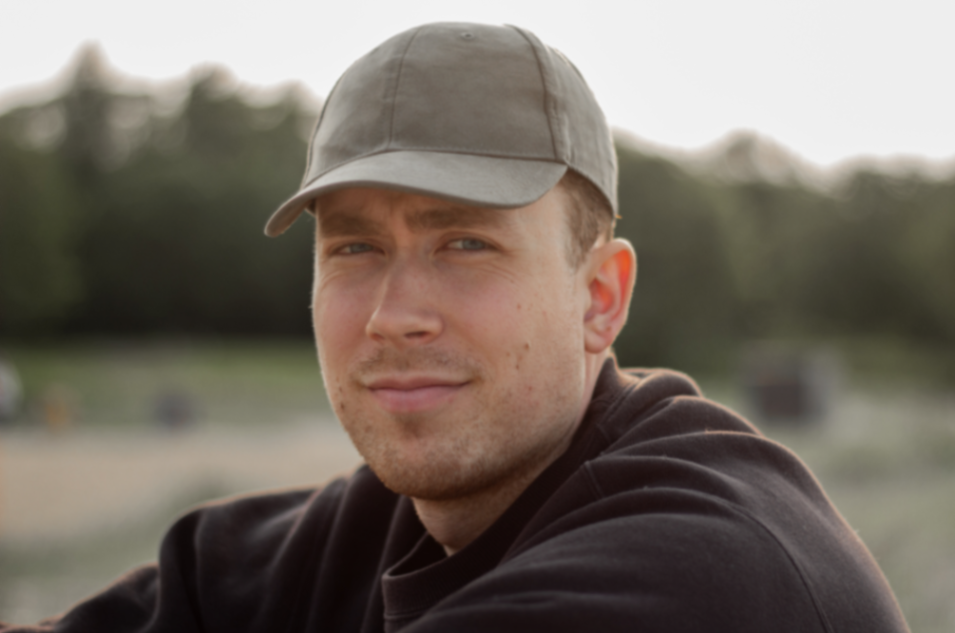
Founder Stories by Built in Baltics. A conversation with Samuel Austin, founder & CEO of datakyte, makers of KLNK.
In this article
A tourism destination once approached Samuel with a request that reframed his entire company. They didn't want one of their tour operators on the platform, they wanted all of them. More than 40 businesses, every operator in the region, using KLNK as part of how the destination itself would be marketed to the world. That was the moment it became clear KLNK wasn't a tool for individual operators. It was infrastructure for how travel itself gets sold.
How It Started
It started with reels. Samuel's wife would send him hundreds of clips from Instagram and TikTok while they planned trips as they loved travelling. They'd spend hours discovering hotels, tours, and experiences. Then came the friction: when he actually wanted to book something, there was almost never a way to do it at the point of inspiration. He'd have to leave the platform, find the company, hunt down the product again, and crawl through a separate booking journey. Every step was an excuse to give up.
The more he thought about it, the more obvious the pattern became. The entire travel industry generates demand through social content but still relies on booking experiences designed for the web. "Booking should happen where discovery happens," Samuel says and that conviction became datakyte.
Building From the Baltics
Building datakyte from Latvia has shaped the company more than most people realise, Samuel says. The Baltic market is too small to build a business locally, so from day one every decision on product, partnerships, hiring, has been designed for a global market rather than a domestic one. People in Riga work alongside developers and specialists across multiple countries. Distributed and international wasn't a later-stage transition. It was the starting position.
The constraint worth naming is capital. In Samuel's experience, European investors generally have a smaller appetite for early-stage risk, and the fundraising process runs longer. Founders he's spoken with in the US describe deals closed over coffee with light due diligence; Europe runs more cautious, more drawn-out. There's a real upside to that, though as it forces founders to build a real business and prove demand before relying on external capital. Discipline as a side effect of difficulty.
How It Works
Today, datakyte helps travel companies turn their products into KLNKs, an instantly bookable experience that can be shared across social media, websites, messaging apps, creator content, and increasingly AI-powered platforms. Instead of pushing a customer through several websites and apps just to complete a booking, a KLNK lets travellers discover and book directly from wherever they already are.
The typical customer is a tour operator, attraction, activity provider, hotel, cruise company, or travel brand looking to grow direct bookings and reduce reliance on Online Travel Agencies where commissions can reach 30-40% of the booking value. They connect their existing reservation system to datakyte, and their inventory gets transformed into shareable, bookable commerce objects that travel across the internet while keeping the supplier in control of the customer relationship.
The problem that disappears is the gap between discovery and booking. Traditionally, a customer discovers a product through content, leaves the platform, searches again, and often ends up booking through an intermediary rather than directly with the supplier. With a KLNK, bookings stay connected to the original moment of inspiration. Samuel's framing of the goal is precise: "Move people from inspiration to booking in under 90 seconds."
The Hard Part
There have been two hard chapters, and they connect.
The first was launching too early. datakyte opened to a small group of founding travel operators who genuinely believed in what was being built and each of them had slightly different requirements, booking flows, and operational quirks they wanted accommodated. Eager to help, the team tried to support too many requests at once. Resources stretched in too many directions. Progress slowed. In some cases, the partners who had trusted them earliest didn't get the experience they deserved. The lesson was harsh and useful: focus and discipline are the actual products. The team stepped back, simplified priorities, and concentrated on the core platform rather than customising for individual cases.
The second was an assumption that turned out to be wrong. Samuel had expected reservation technology platforms to welcome API access as these platforms were already connected to major OTAs, so providing new distribution to their own operators seemed logical. They didn't. Some resisted, some refused outright, even when their own customers were asking for the integration. The complexity wasn't technical, it was political. As Samuel puts it: "Technology is often the easy part. Aligning incentives between different participants in an ecosystem can be much harder."
That assumption cost months of partnership conversations rather than product building. The upside is that those doors are now opening but the lesson stays: in established industries, who you work with is harder than what you build.
What's Next
In the next 6 to 12 months, KLNK expands beyond tours and activities into hotels and flights by broadening the supported portion of the travel ecosystem significantly. Within three years, Samuel expects KLNKs to be used by thousands of travel operators and to have established itself as one of the industry's core commerce layers, connecting travel inventory to the places where modern consumers actually discover and buy.
The longer view is bigger than travel. The same commerce infrastructure can extend into other retail sectors where discovery and purchasing have grown increasingly disconnected. "The future of commerce is portable," Samuel says. Products should move freely across social platforms, websites, messaging apps, and AI environments and that's the future datakyte is building toward.
The Toolbox
AI tools have become part of Samuel's daily workflow, and his honest advice to other founders is to get familiar with them fast as the leverage they provide to small teams right now is, in his words, "incredible." Beyond that, Slack carries the load of keeping a distributed team aligned and moving in the same direction.
The unexpected one in the lineup isn't a productivity tool at all. It's Apple Music. Before an important call, after a long flight, in the middle of a tough day at the desk, music is how Samuel resets and recharges. "Founders spend a lot of time thinking about optimising their work," he says. "I've learned that protecting your mental space is just as important."
The book he keeps within reach is Peter Thiel's Zero to One, one full of highlights, folded pages, and notes. He treats it less as a business book than as a blueprint for creative thinking, and has a habit of opening it to a random page when he wants to reset his thinking. The trick of Zero to One, he says, is that the concepts that felt abstract on first read tend to become highly relevant as a company evolves.
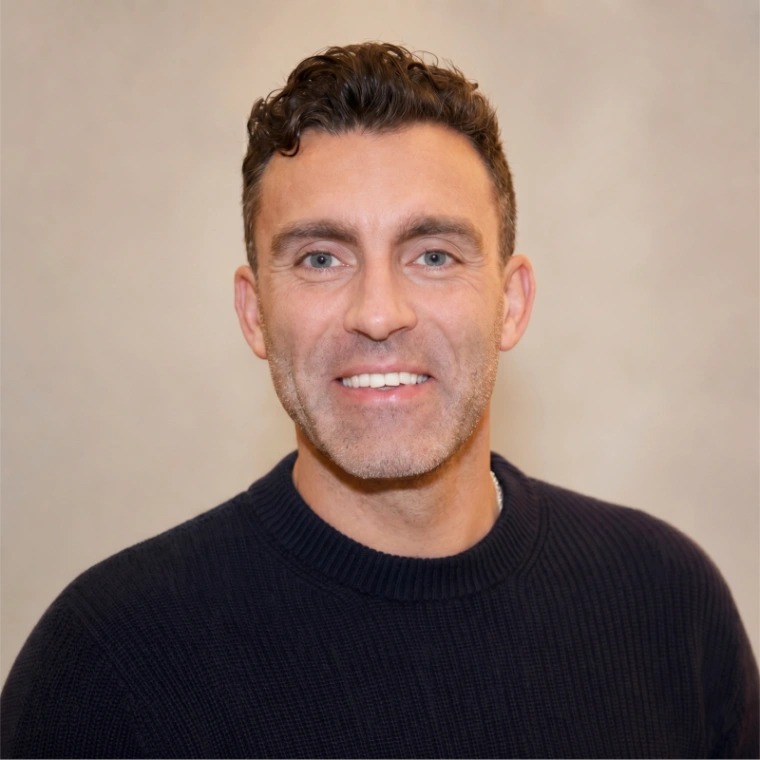
🌍 How you can help: Samuel is looking for three kinds of conversations. Travel operators wanting to grow direct bookings and reduce their reliance on high-commission distribution. Other founders that are building complementary products, some of the best opportunities come from founder-to-founder talks where you realise your businesses can create more together than apart. And investors, of course, are always welcome.
But there's a fourth he names plainly. "Building a company can be incredibly rewarding, but it can also be lonely. Sometimes the best support isn't funding or partnerships, it's simply meeting another founder for a coffee or a kvass and having an honest conversation with someone who understands what you're going through." Reach out via Linkedin.
Written by
Mihkel Hõbemägi · Co-founder, Built in Baltics